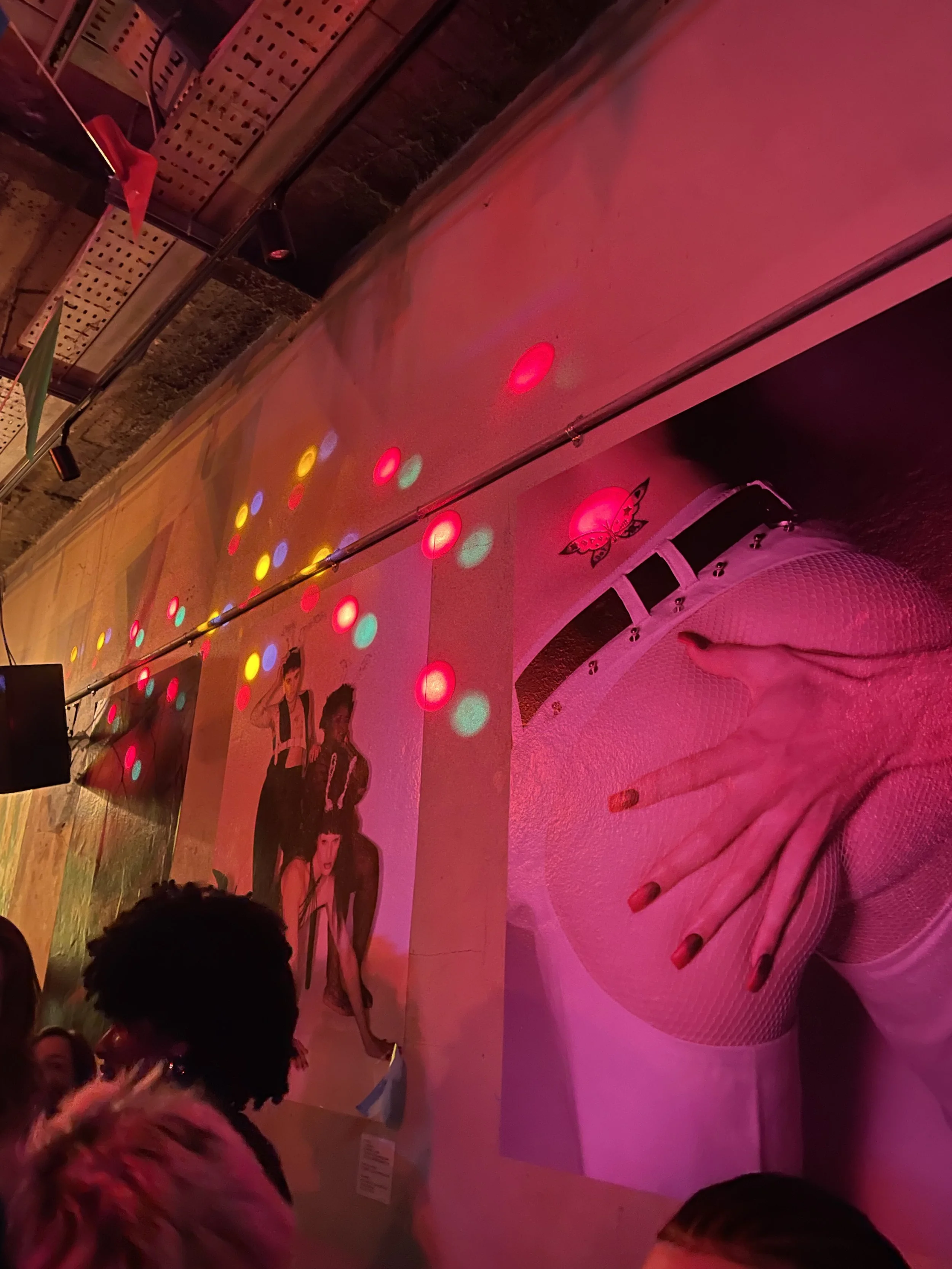


For those who have never been to one, sex parties, orgies, and kink events can feel like the stuff of legends, movies, and – should they fumble it – absolute nightmares.
If you’re anything like the team at Sextras (none of which has been to a sex party, shockingly… we’ll wait for your invites), you’ll picture turning up to your first sex party in entirely the wrong attire, finding yourself gawking mouth wide open at the scenes around you, and stumbling over your words – or worse, slipping on lube.
It’s been over 10 years since Fifty Shades of Grey came out, but the misconceptions it spewed about sexual domination and submission linger in the minds of many.
For a lot of people, the idea of dominating someone in the bedroom means owning them, controlling them, having complete power to do anything you want, with the submissive being helpless.
This pop culture hit has poisoned the idea of S&M for people who don’t know any better, with a poor portrayal of both doms and subs. The cultural impact is felt even years later.
Christian Grey, the supposed dominator, stalks Anastasia, breaks into her home, accosts her friends, and constantly crosses boundaries, trying to dominate her whole life, not just the sex between them.
While many straight singles still default to dinner and drinks, the LGBTQ+ community is shaking things up with more adventurous, creative date ideas. But does stepping outside the box make queer dating more fun – or more satisfying? Discover how creative date ideas are reshaping modern romance.
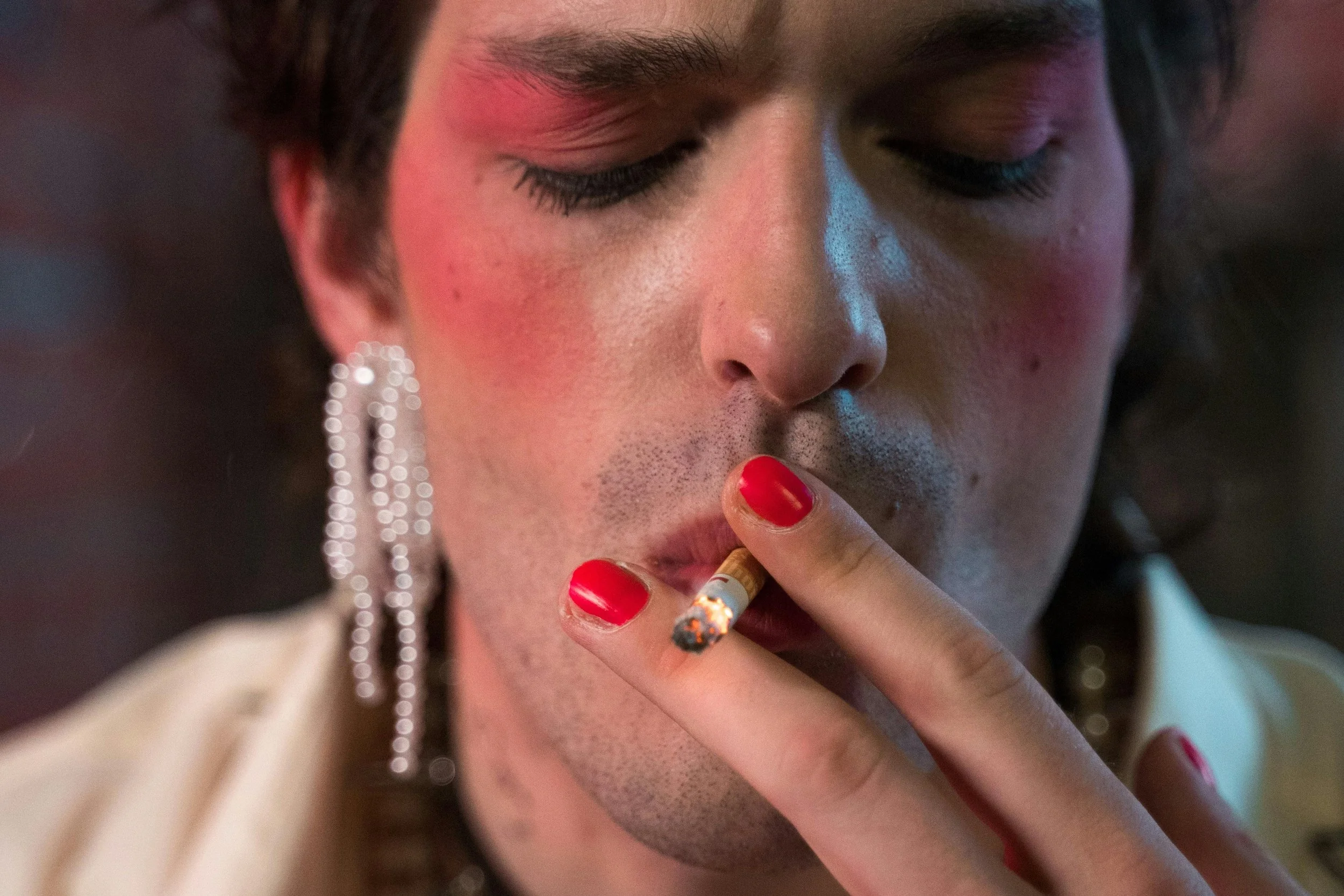
Nico Green explores how nail polish, kissing boys, and a heightened fashion sense became huge green flags for women dating men.
Twenty-somethings have fallen victim to the chronically online dating-app trap, writes Robyn Packter. Is it time for platforms to level up?
Instead of a pursuit for meaningful companionship, dating apps are now a mindless game you play to pass the time. But many are experiencing dating-app fatigue – so much so that the top 10 dating apps in the UK saw a 16% decline in users between 2023 and 2024. The question is: how are we going to change this? Or, more importantly, do we even want to?
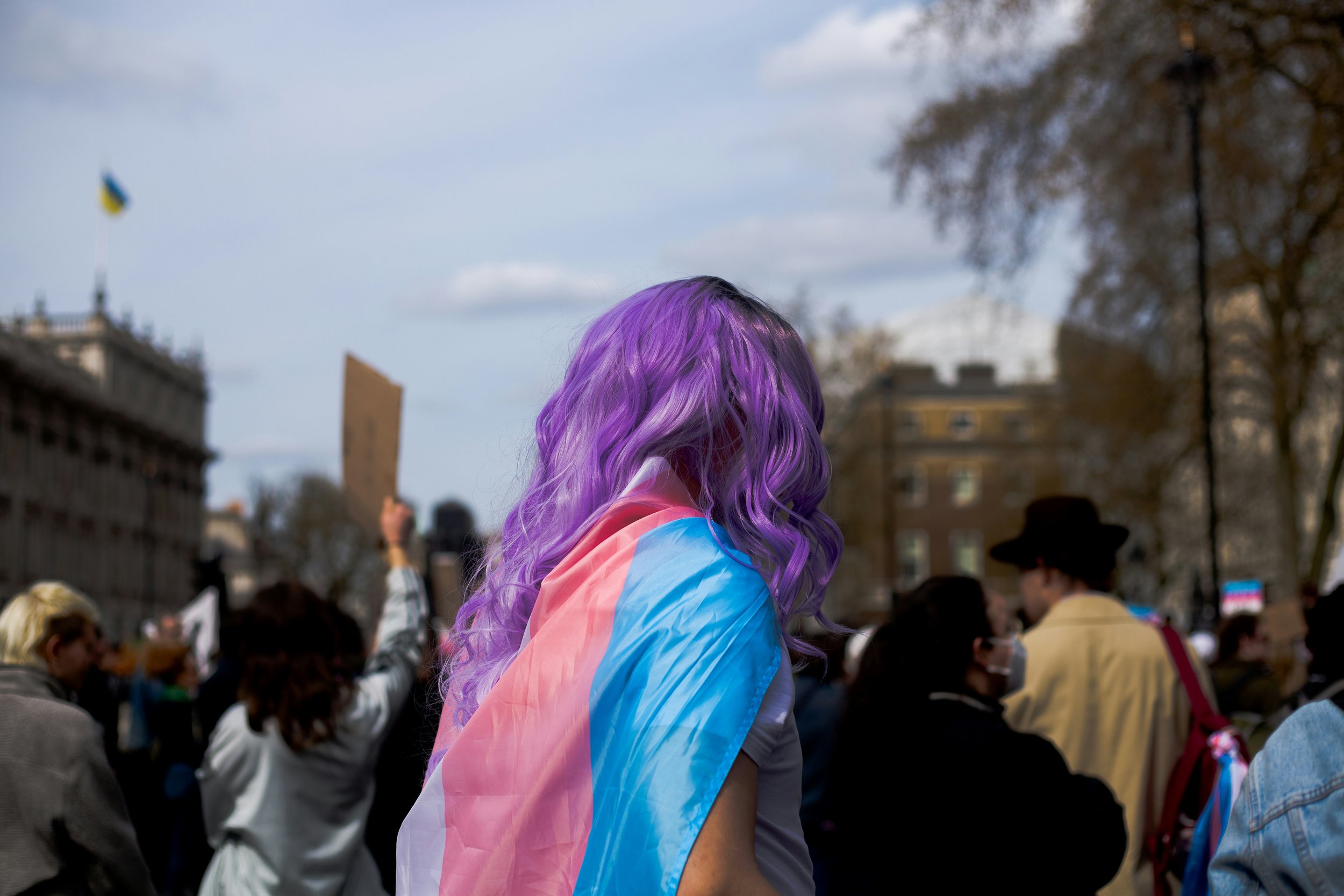
The UK Supreme Court's ruling on defining who can be recognised as a woman has a profound impact not just on transgender individuals, but women as a whole.
You’re spoilt for choice when it comes to contraception methods; the pill, the implant, IUDs, condoms. Each offers the promise of protection, albeit with side effects and varying degrees of success. But what if you never want to be pregnant, again or at all?
Considered the ‘gold standard’ for its ease-of-use and unrivalled effectiveness, female sterilisation has become the most common form of contraception worldwide. In 2024, Statista found sterilisation to be the contraceptive method of choice for 25% of women worldwide, compared to 16% using the pill, which has been mirrored by regional research including that of the CDC in the US and the International Institute for Population Sciences found cases of voluntary sterilisation in India to be even higher at 37%.
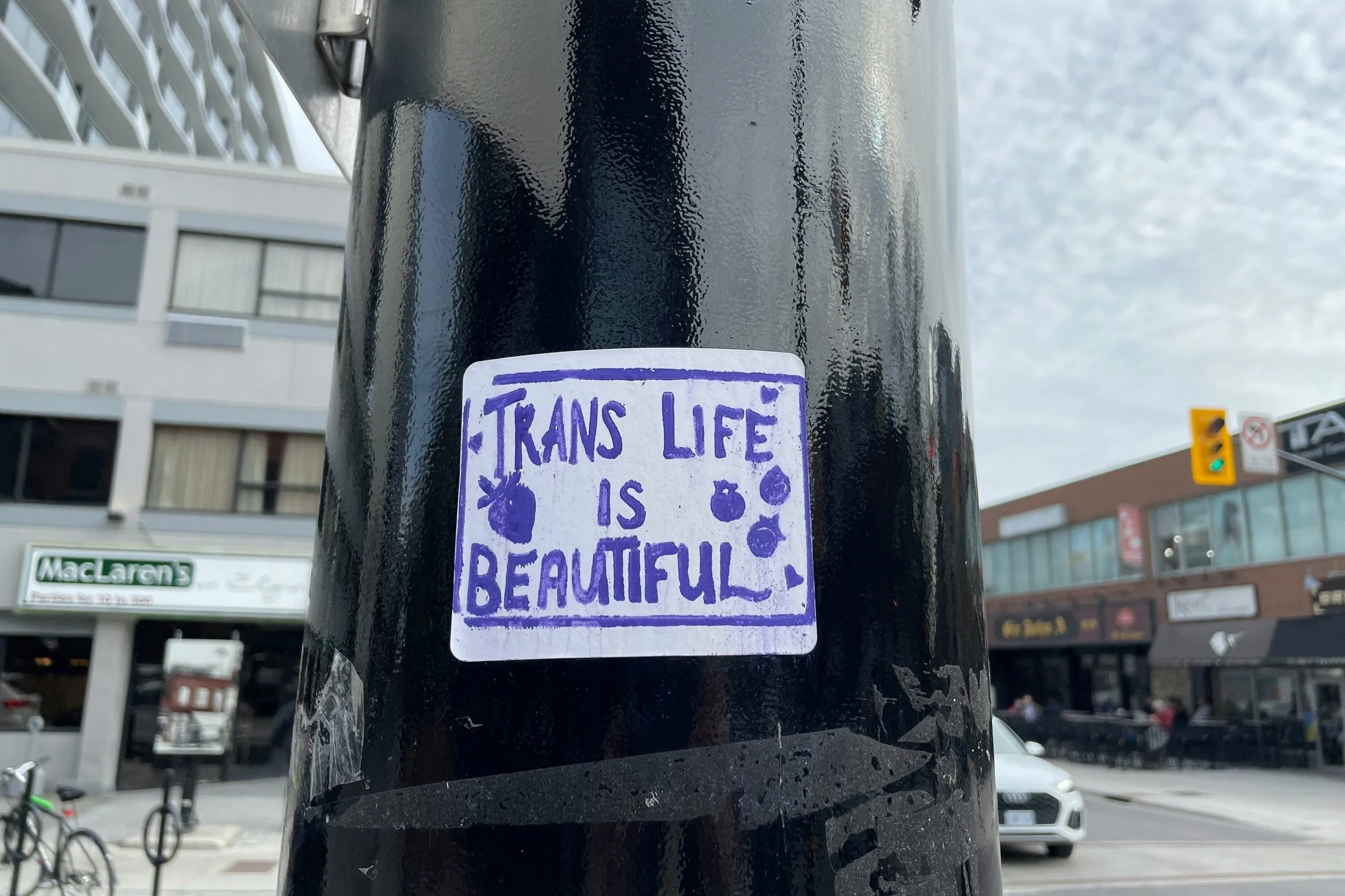
As the right wages war on surgeries and hormones for trans people, Sextras investigates the hypocrisy at the heart of the gender-affirming-care debate, and consults experts on the lifesaving power of accepting and loving your body, no matter your gender identity
We’ve all been there: a niggling in your stomach, feeling skittish, and that overwhelming feeling of fatigue. But is it stress or your period?
Between the public transport rush to work, slogging through the hours of nine to five, and trying to maintain a social life while, oh yeah, keeping yourself alive, if you manage to catch a breath to acknowledge these feelings, it can be easy to attribute them to either your hormones or the anxiety of life.