

Men, hair, and the identity crisis: why the hair transplant industry is booming
The hair transplant industry isn’t just about vanity—it's a mirror to modern masculinity. With insights from surgeons, academics, and men who’ve gone under the needle, Lucy Sarret explores what it really means when you feel like your hair is fading, and your identity with it
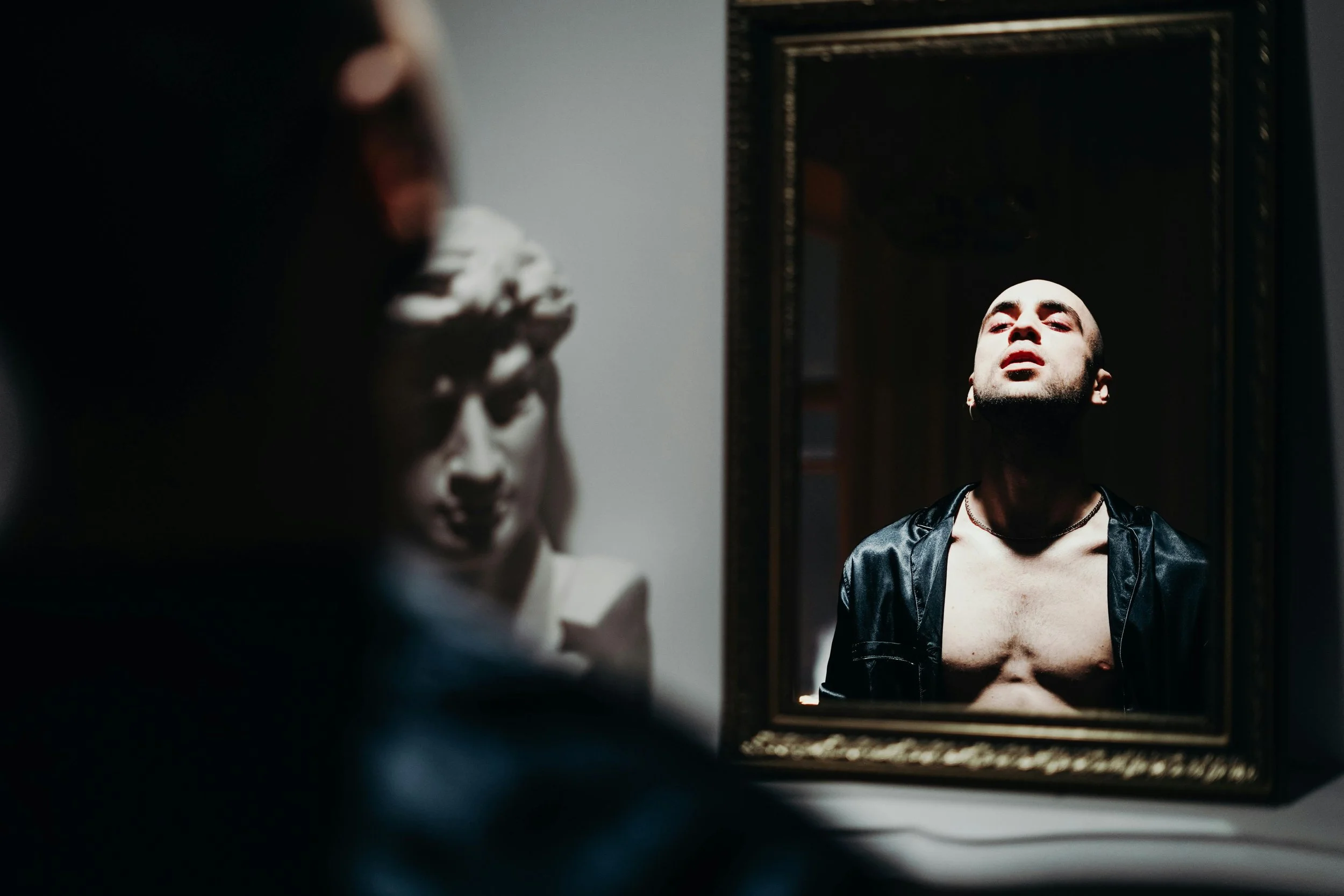
(cottonbro studio via Pexels)
Hair isn’t just hair. For many men, it’s identity, youth, and desirability. Its loss can trigger far more than just a change in styling. With hair transplants booming, especially among Gen Z and Millennials, what are we really treating? Confidence? Or masculinity itself?
Chris was 33 when he decided to get a hair transplant.
“I was wearing caps all the time. I'd never go to the beach. Never get in a swimming pool,” he says. “It was this ongoing insecurity that dictated everything.”
The final push to do something about it was a wedding photo he couldn’t stand looking at.
“I felt like I didn’t recognise myself. I thought, 'Right. I’ve got to sort this out’.”
He isn’t alone. Hair transplants have exploded in popularity over the last decade. Once the secretive domain of ageing celebrities, the procedure is now marketed with influencer vlogs, glossy clinic brochures, and TikTok “glow-up” montages. The global market is expected to hit £20 billion by 2031, with Turkey performing hundreds of thousands of transplants a year. But the real story goes deeper than flights to Istanbul.
The hair transplant boom is also a story about masculinity, identity, and how appearance is increasingly becoming a form of currency.
Read more: Why don’t men share with their friends?
Masculinity, marketed
Historically, baldness has signalled many things: wisdom, power, virility. But in modern Western culture, it’s often read as decline –of youth, sex appeal, and even relevance.
“We associate baldness with sadness, ageing, even failure,” explains psychologist Dr Glen Jankowski. “That’s no accident –the anti-baldness industry has spent decades embedding those ideas into our cultural psyche.”
From early TV adverts selling miracle shampoos to the rise of celebrity restoration stories (think Wayne Rooney, Elon Musk, and LeBron James), hair has become synonymous with success and status.
“It’s a billion-pound industry,” Jankowski says. “And it thrives on making men feel unworthy unless they maintain a specific kind of look.”
That messaging is subtle but pervasive. In Jankowski’s research, participants consistently rated bald men’s facial expressions more negatively than their non-bald counterparts.
“These are unconscious biases,” he says. “They’re absorbed through advertising, films, social media –even if you don’t explicitly believe baldness is bad, you’ve probably internalised it on some level.”
For Dr Dilan Fernando, a UK-based hair transplant surgeon, the real motivation for most of his patients isn’t aesthetics –it’s psychology. “They camouflage, they avoid dating, they feel anxious in social settings,” he says. “A transplant, for many men, is about regaining control of how they’re perceived –and how they perceive themselves.”
Hairlines as social armour
This resonates with Fred*, 27, who started losing his hair at uni. “I became really self-conscious,” he tells Sextras “Dating was a nightmare –I’d panic about wind, or rain, or what lighting I was in.”
Like many of us do in situations of medical distress, he went online. “You get pulled into these forums and YouTube videos. Everyone’s showing their ‘before and afters’, and suddenly it feels like not getting a transplant is giving up.”
He eventually booked a transplant in Turkey. “It was cheaper, and I’d seen guys on Reddit rave about it. It went well, and it’s changed how I feel. I’m not constantly thinking about hiding anymore.”
But he’s also aware of the deeper issue. “Looking back, it’s mad how much value we place on hair. Like, I’ve literally had surgery because of a slightly receding hairline.”
Why do men get hair transplants in the first place?
While, for some, undergoing an entire operation because of your appearance could seem drastic, men’s issue with balding runs far deeper. According to Fernando, the majority of men don’t come in because of drastic visual change; they come because of how they feel.
“The biggest driver is psychological,” he says. “They camouflage, they avoid dates, they obsess. It becomes a daily anxiety. A transplant, for many, is about regaining control.”
Fernando sees men from all walks of life, from actors, to corporate professionals, to influencers. Many seek discreet, unshaven procedures to avoid stigma.
“They want to re-enter the world looking like a slightly more refreshed version of themselves. Not like someone who’s obviously had surgery,” he explains.
The results can be powerful. Omar*, 32, says his transplant gave him “a reset” of energy.
“I avoided swimming, dating, and even group holidays. Now, it’s like I’ve stopped thinking about hiding anymore.”
But he’s also aware of the deeper issue. “Looking back, it’s mad how much value we place on hair. Like, I’ve literally had surgery because of a slightly receding hairline.”
Read more: Why negative body image is holding you back from love (and what to do about it)
What are we really restoring?
Hair transplants offer relief, and for some, transformation. But when almost every man who loses hair feels compelled to “fix” it, the question becomes: is this empowerment or compliance?
“It’s not that men shouldn’t get transplants,” Jankowski clarifies. “But they should be aware of the forces shaping that desire. There’s nothing wrong with changing your appearance –but let’s not pretend the pressure isn’t real.”
“Men don’t need to be masculine, just as women don’t need to be feminine. If society didn’t tie appearance so closely to worth, we wouldn’t need to spend thousands to feel normal.”
Fred’s reflection sums it up best: “I don’t regret getting it. But I do think… what if I lived in a world where I didn’t need to?”
*names have been changed